Cybersecurity Best Practices for the Travel Industry
In the world of travel, where seamless digital experiences and secure transactions are paramount, adopting robust cybersecurity practices is crucial. Let’s explore key practices tailored to the travel industry that ensure the safety of sensitive information and maintain the trust of travelers.
Password Management
Guarding Traveler Accounts
In the travel business, customer accounts contain valuable information. Emphasize the importance of creating strong passwords to protect personal and payment details. Explore how implementing password management tools can enhance the security of traveler accounts, ensuring a worry-free journey.
Multi-Factor Authentication (MFA) for Booking Security
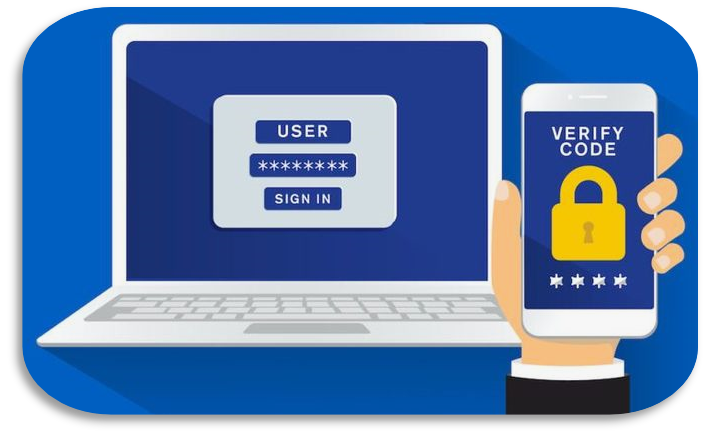
Elevate the security of booking systems with MFA. Learn how adding an extra layer of authentication safeguards traveler details during the booking process. Showcase the user-friendly aspect of MFA in enhancing security without compromising the ease of making reservations.
Secure Network Practices
Protecting Traveler Data on the Go
For travel businesses, securing Wi-Fi networks in hotels, airports, and other public spaces is critical. Explore the use of VPNs to ensure encrypted connections for travelers accessing booking platforms. Highlight the importance of secure connections in maintaining the confidentiality of travel itineraries and personal information.
Device Security for Travel Agents
As travel agents handle bookings on various devices, stress the significance of device security. Encourage regular updates and patches to protect against potential vulnerabilities. Showcase the role of secure devices in maintaining the integrity of travel bookings and customer information.
Incident Response and Recovery
Ensuring Business Continuity
In the travel industry, where disruptions can have immediate consequences, having a robust incident response plan is essential. Explore how a well-prepared response can minimize downtime during cyber incidents, ensuring that travel operations continue smoothly.
Backup Strategies for Travel Plans
Highlight the importance of data backup, especially in preserving travel itineraries and customer details. Explore backup strategies that ensure quick recovery in case of unforeseen events, such as system failures or ransomware attacks. Emphasize how these strategies contribute to a resilient travel business.
As we focus on cybersecurity best practices tailored for the travel industry, remember that securing customer trust is a journey, not a destination. By integrating these practices into your operations, you’re not only safeguarding sensitive information but also ensuring that travelers can explore the world with confidence.
Stay tuned for our next module, where we’ll delve into advanced cybersecurity strategies specific to the travel business and emerging trends shaping the future of secure travel experiences.